The Three Real Ways to Transition to Gray Hair, and Who Each One Actually Suits
Deciding to stop coloring gray hair away is the easy part; picking how to actually get there is where most people get stuck, usually because the three real methods each demand something different — time, a shorter cut, or ongoing salon visits — and the right one depends on more than personal preference alone.

The Three Methods and What Each Actually Requires
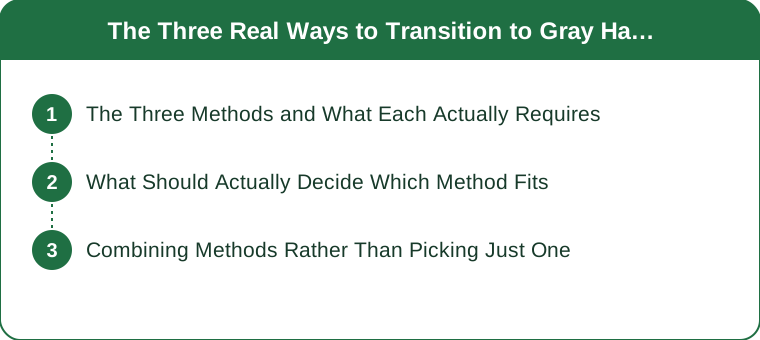
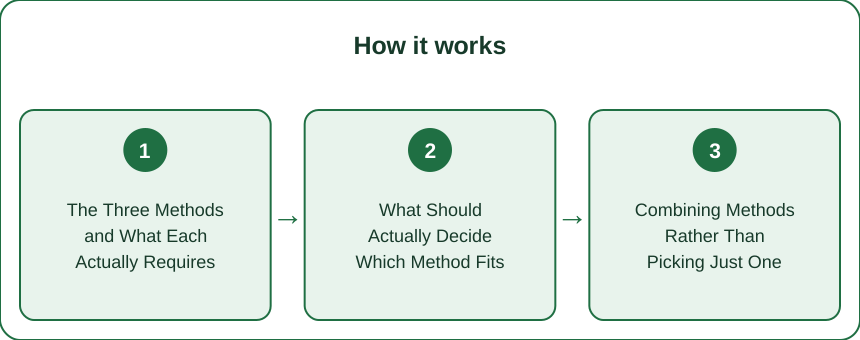
The comparison: the the-full-grow-out-method (the simply letting color grow out with zero further coloring, which requires tolerating a visible demarcation line for months to over a year depending on hair growth rate and length, but requires no salon budget), the the-strategic-cutting-method (the progressively cutting the colored ends shorter over time to meet the growing gray, which shortens the transition timeline considerably but requires comfort with an evolving, sometimes short, interim style), the the-color-blending-method (the using lowlights or a gray-blending color service to soften the demarcation line during the transition, which shortens the visible-awkwardness period but requires ongoing salon appointments and cost during the transition itself).

What Should Actually Decide Which Method Fits
The decision factors: the the-hair-growth-rate-affects-timeline (the average hair growth rate of about half an inch per month directly determining how long a full grow-out will visibly take, a fixed biological constraint worth calculating before committing), the the-current-hair-length-affects-cutting-feasibility (the starting hair length determining how short a strategic cut transition would need to go, which matters for anyone unwilling to go significantly shorter), the the-budget-and-time-for-salon-visits (the color-blending method’s ongoing cost and appointment frequency being the deciding factor against it for many, regardless of how well it would otherwise suit the hair).
Combining Methods Rather Than Picking Just One
The realistic approach: the the-hybrid-approaches-are-common (the many people combining methods — occasional trims plus a few blending appointments — rather than committing to one pure method for the entire transition), the the-reassessing-partway-through-is-normal (the switching strategies partway through the transition, once the actual demarcation line and personal tolerance are visible in practice rather than theoretical), and the frame (pick a starting method based on timeline tolerance and budget, and expect to adjust it as the transition actually unfolds)).
Choosing to stop coloring gray hair away is a decision made once; choosing how to get there involves an ongoing tradeoff between time, style flexibility, and budget. The full grow-out method costs nothing but requires tolerating a visible demarcation line for months, sometimes over a year, depending on hair length and its roughly half-inch-per-month growth rate. Strategic cutting shortens that timeline considerably by progressively cutting away the colored ends, but demands comfort with an evolving, often shorter, interim style. Color-blending services soften the visible line throughout the transition but require ongoing salon appointments and cost the entire time. None of the three has to be the single committed path — many people combine occasional trims with a few blending appointments, or switch strategies partway through once the actual demarcation line and their own tolerance for it are visible in practice rather than theoretical. The right starting point comes down to timeline tolerance and budget, with room to adjust as it goes. The Three Real Ways to Transition to Gray Hair, and Who Each One Actually Suits.
Keep Reading
This article is for general informational and styling purposes only. Fit, sizing, and product availability may vary.